
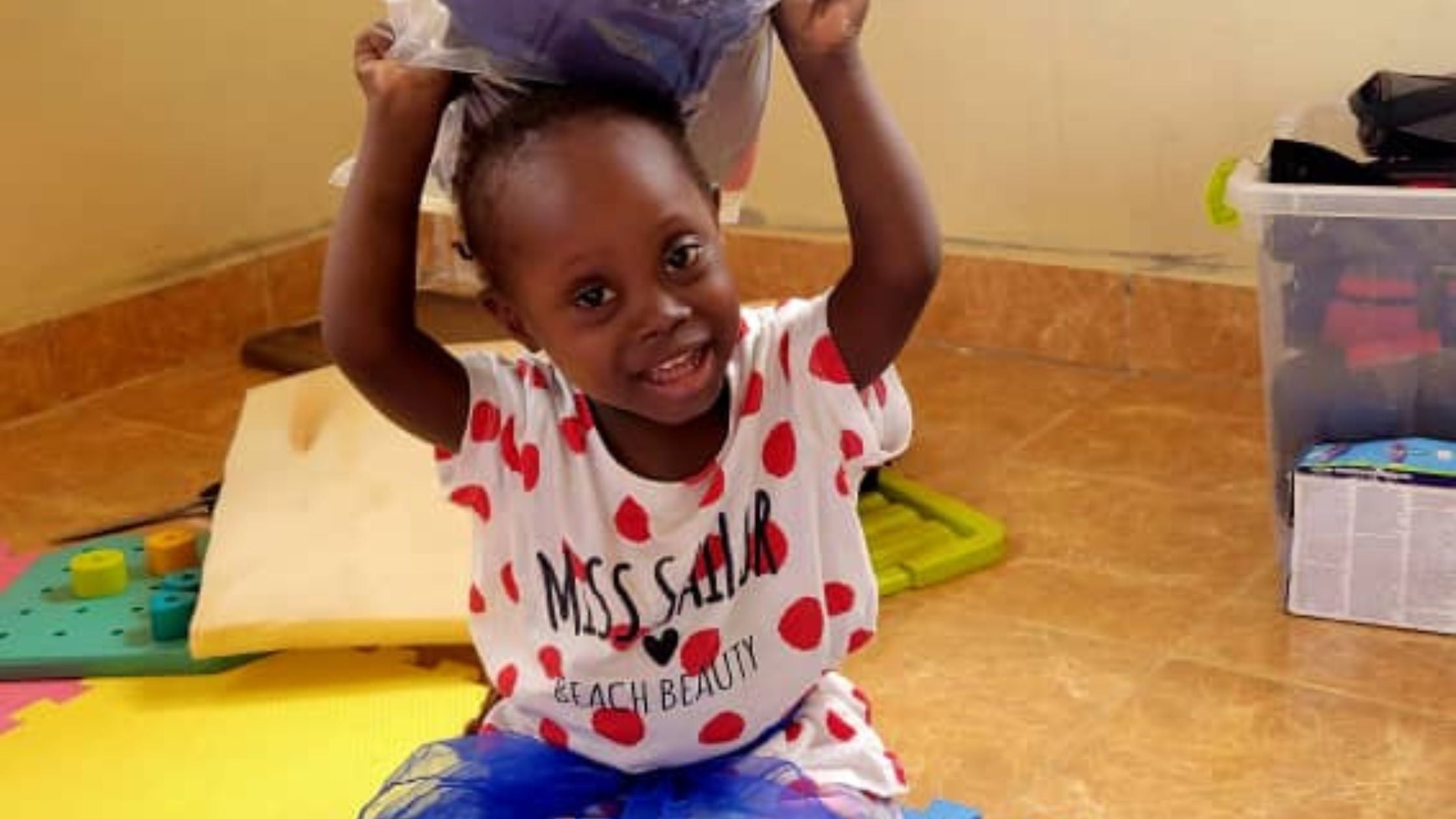
Living With Down Syndrome: Bakisa’s Journey to Overcome
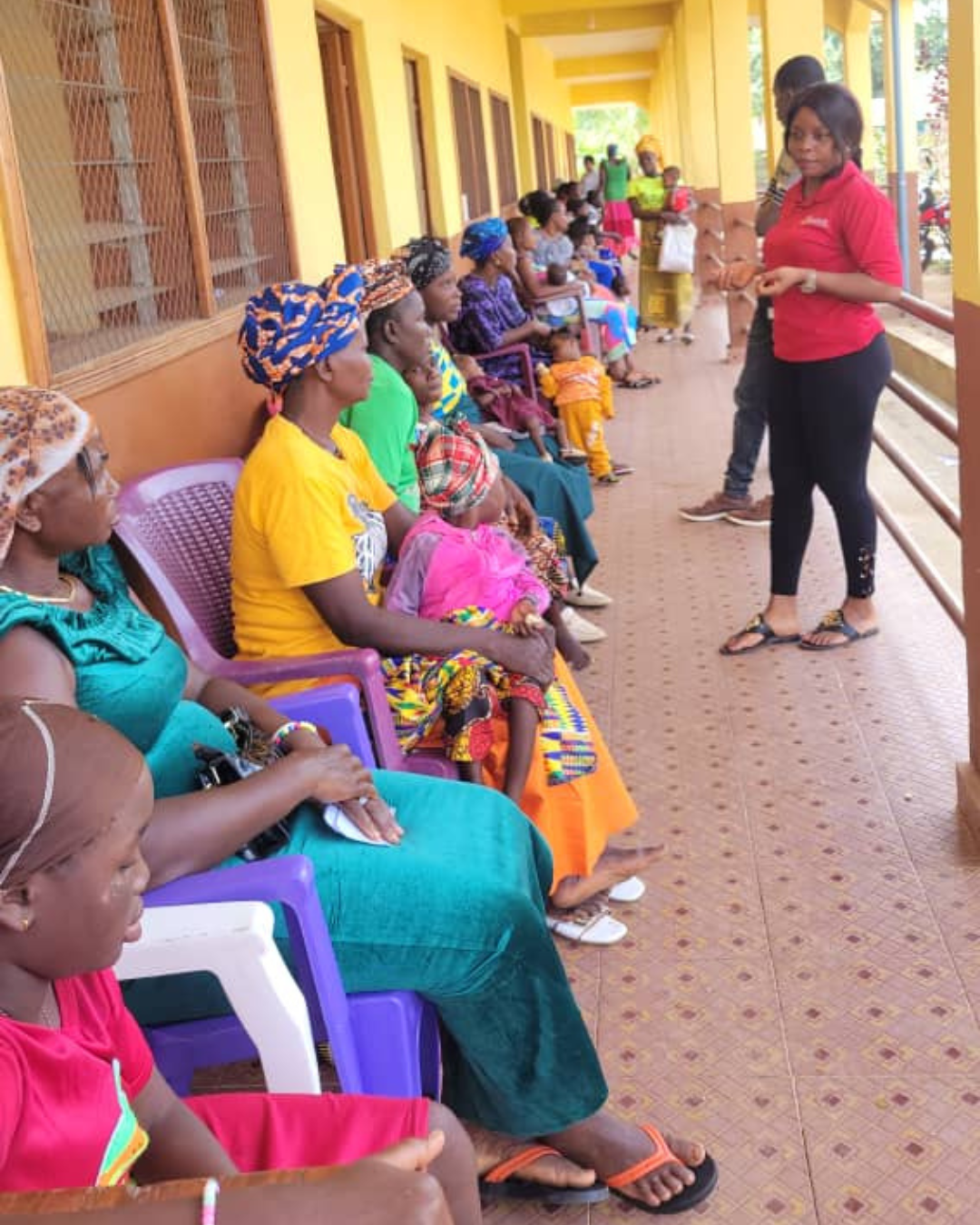
In many communities around the world — including parts of Sierra Leone — children with Down syndrome and other disabilities still face stigma and discrimination. Misconceptions about disability, often passed down from one generation to the next, can lead to exclusion from education, limited access to health services, and social isolation for both children and their families. Awareness and inclusive support systems are critical to ensuring every child has the chance to reach their full potential.
About one year ago, during an Enable the Children (ETC) outreach visit to a partner organization, Nyandengoh, the ETC team provided physiotherapy and occupational therapy services to children enrolled in the program. During that visit, the team assessed a young child named Bakisa, who has Down syndrome. At the time, Bakisa was experiencing significant developmental delays. She was unable to sit or walk independently. She had poor head control and a very weak trunk, making it difficult to maintain balance or perform basic movements appropriate for her age.
Through consistent therapy sessions, caregiver commitment, and ongoing encouragement, Bakisa began to make steady progress.
Because of this support, Bakisa’s transformation has been remarkable.
She can now sit and walk independently — an important milestone in her development. Her head control has improved significantly, and she has gained strength and stability in her trunk, allowing her to move with greater confidence. She has also begun developing basic self-help skills and can now complete several daily activities with minimal assistance.
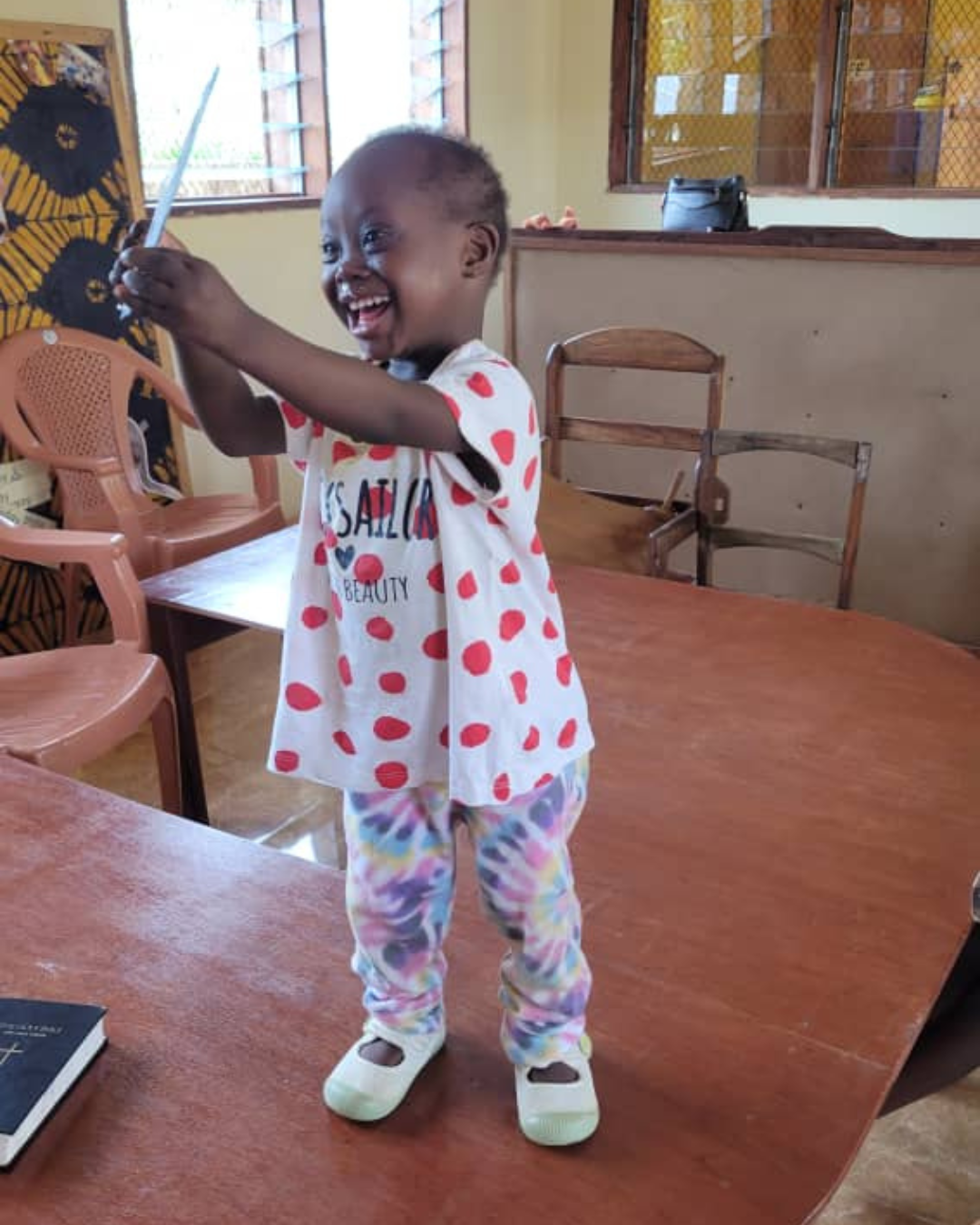
As we celebrate what proper therapy and support can mean for children and their families on World Down Syndrome Day, Bakisa reminds us that every child deserves the opportunity to grow, learn, and belong. With stronger support systems and continued advocacy, we can build communities where children with Down syndrome are valued, supported, and empowered to thrive.
Sorie Bangura
Enable the Children, Clinic Administrator
World Hope International – Sierra Leone